Out of the land of the lost and back to the land of the living, we'll head down the Whiskey Rd. (so-named for its storied history as a main drag for bootleggers) and then out to the edge of Aiken, currently the site of much road contruction. But first let's make a slight detour to Hitchcock Woods, a 2000-acre forest and municipal park that will be preserved in perpetuity thanks to Thomas Hitchcock and his daughter, Helen, who donated the first 1,200 acres in 1939. The residents of Aiken, including countless horses, thank them. I've heard it said that Hitchcock Woods is the largest municipal park in the country, but this isn't true. Hitchcock Woods is the largest FORESTED municipal park in the country. Incidentally, the largest municipal park in the country (and world!) is South Mountain Park in Phoenix, at a whopping 17,000 acres. I've found it a good place to experiment with sunstroke.
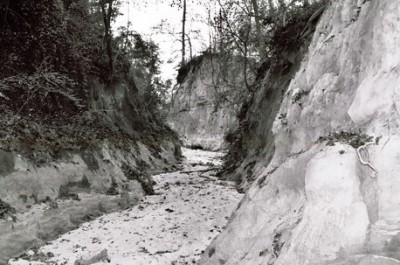
One day we took a trek through the woods, stopping by the site of an old mansion. Unfortunately, all that was left were some stairs and a brick retaining wall. Now, I've posted some photos of questionable quality, but I'll spare you these. Then we stepped down into a creek and started walking. It hadn't rained in awhile, so we were pretty certain a flash flood wouldn't come through. I wouldn't be typing this if it had. The name of the creek escapes me, but I recall it being really obvious. It might have been Sandy Creek, actually. Does it look like something Hitchcock would shoot? Hey, I tried! Civil War-era ammunition, bayonets, and muskets are still being found, buried in the sand for nearly 150 years. Now, that's a perfect segway to...
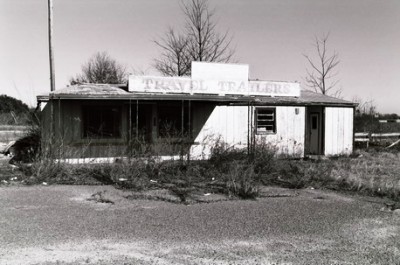
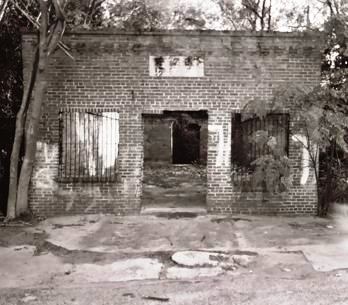
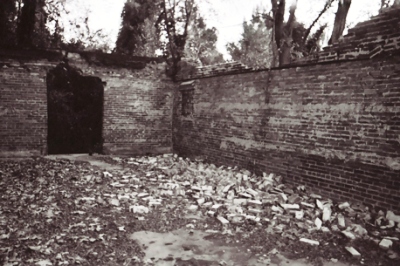
...the Battle of Aiken. Every year in late February folks from all over turn out to re-enact the Battle of Aiken. Yeah, if I posted more often I could've given you enough notice to get your flights booked and get down there. As it is, it was last weekend. People camp out all weekend and dress up in Civil War-era costumes. It's really a big deal. You want to know why it's a big deal? Okay, I'll tell ya. As for the photos in this post, they're all from this little spot on the outskirts of town. We had initially gone to check out the Dinner Bell, an apparently abandoned restaurant. However, when we got there we not only weren't sure that it was abandoned, but, in a move certain to give the Health Department fits, it looked like it might've been in operation. There were two cars outside (granted, one had a flat tire) and the door was open. We considered going over to see what was up, but decided against it. And, anyway, this Travel Trailers outlet and a video game store were right across the street.
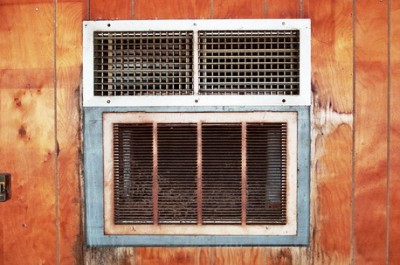
“When I go through South Carolina, it will be one of the most horrible things in the history of the world. The devil himself couldn’t restrain my men in that state.” That's William Tecumseh Sherman, while he and his troops caught their breath in Savannah, GA. Sherman's cavalry commander, Union Brigadier Hugh Judson Kilpatrick (AKA Kill Cav), was of the same mind: “In after years, when travelers passing through South Carolina shall see chimney stacks without houses, and the country desolate, and shall ask who did this? Some Yankee will answer: Kilpatrick’s Cavalry!” The guy reportedly spent $5,000 just outfitting his troops with matches before they left Savannah. Here's a look at the HVAC set-up in the travel trailer, in case you were interested.
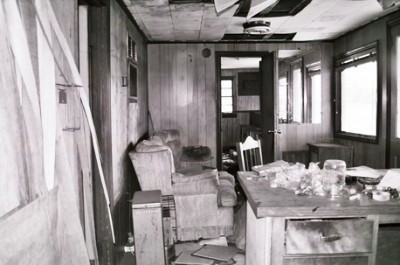
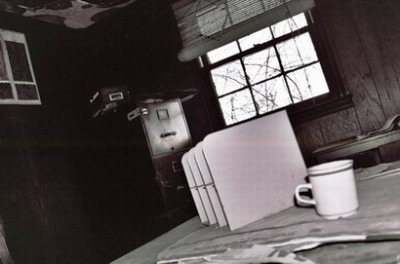
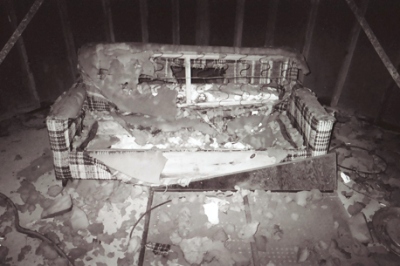
Union troops began invading SC on February 1, 1865, with one wing of Sherman's Army, including Kilpatrick, following the Savannah River, seemingly headed toward Augusta and the Confederate Powder Works, which was producing most of the Confederacy's gunpowder. The other wing of the army was heading toward Charleston. Thus, the Confederacy was not sure if Augusta or Charleston would be hit next. In fact, Sherman's real plan was to attack Columbia. Four days later Kilpatrick was in Barnwell, just outside Aiken. In a letter to Sherman reporting on the state of things, Kill Cav referred to the town as "Burn-well." Next he turned his attention to the railroad. Please, not the Hamburg-Charleston! The railroad had been transporting Confederate troops during the war and Kilpatrick went to nearby Blackville and began tearing up track and lighting more stuff on fire. Here's the inside of Travel Trailers HQ. I guess no one wanted the furniture.
On February 8, Kilpatrick wrote to Sherman that he was heading into Aiken. "I will be prudent, bold, but not rash." Kill Cav then crossed into Aiken County and began fighting Col. Charles C. Crew’s regiment of Major General Joe Wheeler's Cavalry, thus commencing the Battle of Aiken. At this point, near the end of the war, the Confederacy was in bad shape. Many outfits were comprised of young boys and old men.
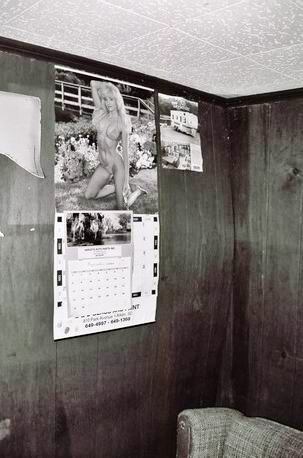 And the Confederacy desperately wanted to protect the Confederate Powder Works and the Graniteville Mill (and the 4,000,000 yards of cotton cloth it produced each year). Major General D. H. Hill, the commander at Augusta, positioned 3,060 men to protect the area, while Joe Wheeler began defensive maneuvers with his 4,500 troops. Meanwhile, Kilpatrick's men were beginning their work in Aiken, shooting Mr. James Courtney after he repeatedly doused the flames with which Union troops were trying to burn his home. Denied aid from the Union surgeon, Courtney bled to death on his lawn while his house burned, and became the first casualty of the battle. Lots of times you wonder how long a place has been abandoned. Here, this swell calendar was thoughtfully left behind and we know that everyone high-tailed it sometime in September 1996.
People started to flee Aiken, fearing the worst. One woman reported, "This band of 150 men ransacked every nook and corner, breaking open trunks and boxes, singing, whistling, swearing...one young villain came in, fastened the doors, demanded our watches, and, using the most profane language and terrible threats, ordered us to confess where our gold and silver was buried." The young Toole brothers had nooses put 'round their necks and were threatened with lynching if they didn't give up their horses. Mrs. Toole provided dinner for some Union troops, only to have the diners set her house on fire. (She was able to put it out.) Confederate troops went about finding a way to ambush Kilpatrick's forces, arrayed in a "V" formation as they moved forward. Major General Wheeler hoped Kilpatrick would go after retreating Confederates, allowing Wheeler's men to sneak up behind and attack the upper flanks of Kilpatrick's "V".
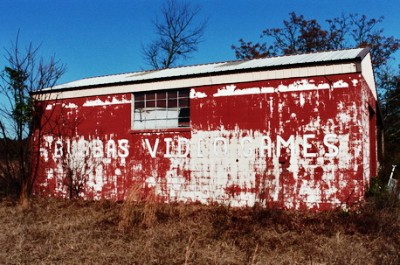
Kilpatrick had been warned by civilians of Wheeler's activities, but kept going. On Febraury 11, Kilpatrick's men were moving through the streets of Aiken. Confederate troops were ready to ambush, waiting for the signal to attack. It was at that point that a soldier from Alabama got a little nervous and fired his gun prematurely, alerting the Union soldiers to the Confederate's presence and wrecking the ambush. Wheeler gave the order to attack immediately and hand-to-hand fighting broke out amidst the streets and homes of Aiken. Meanwhile, a Federal battery of the 10th Wisconsin started shelling the town. Sounds like chaos, eh? John Reed, serving with the 92nd Illinois Mounted Infantry, made a few interesting observations, noting that "Kilpatrick...called on the 92nd Illinois Silver Cornet Band to play Yankee Doodle" and "The ladies of the town waved their handkerchiefs in welcome and smilingly invited the officers and men into their houses. But that kind of a welcome was unusual in South Carolina. It was an additional evidence of danger." Fighting was fierce as Union troops looked for a way through the Confederate's line as the Confederate's continued their attack. Here's a shot of Bubba's Video Games, just next door to Travel Trailer's.
Here's a Confederate account from Private D. B. Morgan of the 5th Georgia Cavalry: "Our regiment had just been issued sabers with wooden scabbards, which were awkwardly attached to our saddles. I was mounted on a very fine mule. We charged the enemy through scrub oak forest and open peach orchard, through the village, driving them back. It was an all-day fight. As we halted in one of the charges, my mule was shot from under me, the ball passing immediately under my left leg and entering the poor creature's heart. With an unearthly yell...she bounded into the air and in falling, caught me half dismounted, with my left leg under her body. The soft plowed ground on which I fell prevented its being broken." The Rev. John Henry Cornish of St. Thaddeus Church reported that, "The enemy was driven back to Pole Cat Pond. Five of our wounded were brought to my house where the surgeons attended to them. Two of the killed were taken to the church yard, where they were put in coffins and buried." Kilpatrick and his men were finally forced to retreat. It is alleged that during the retreat a Confederate calvaryman shot his pistol at Kilpatrick's chest point-blank, but it failed to go off. On February 12, Kilpatrick raised the white flag and each side went to deal with the dead and wounded. The next day Kill Cav's force was off to join Sherman in his attack on Columbia, with Wheeler, considered the hero of the Battle of Aiken, sweeping wide, trying to arrive at the capital city before Sherman. Wheeler was unsuccessful; Sherman entered Columbia on February 17, 1865 and took the city.
During the Civil War no one could agree on casualties. Kilpatrick claimed there were 251 killed or wounded Confederate soldiers, while Wheeler said their were 50. Wheeler, on the other hand, claimed 495 Union soldiers killed or wounded; Kilpatrick said there were less than 45! In any case, Wheeler's defeat of Kilpatrick is considered to have saved everything from the Hamburg-Charleston Railroad to the Powder Works to Augusta itself from certain destruction, later easing the pain of Reconstruction. And the Battle of Aiken is refought every year! If you want more info, go to the Battle of Aiken home page, which provided much of the detail for this post. Thanks Pete Peters!
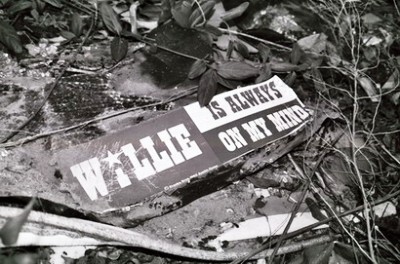
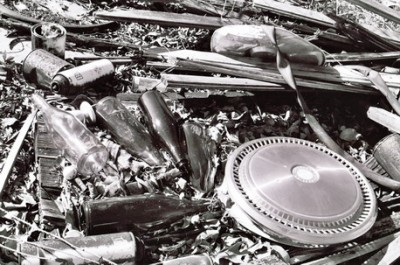
Above is a Willie Nelson sticker from behind Bubba's Video Games. I saw Willie and Company do their thing at the Augusta-Richmond Civic Center about a year ago. Great show. Willie's guitar playing was stellar, incorporating some nice Spanish/flamenco touches. Incidentally, Willie is marketing his own biofuel (i.e. vegetable oil) for use in diesel engines. His own tour bus has used it for some time. Go Willie! This post was powered by Sister Rosetta Tharpe-The Original Soul Sister, a lovely 4 CD box set of her blues and gospel tunes. Dunno who Rosetta Tharpe was? Go here and watch the video. But don't stop until you've made it to the guitar break in the middle. Not THAT'S cool. Y'know, it's not all blues with me. I come from the land of former independent rock giants and r & b superstars. It was all I could do not to title this post "Aiken to Be." Next time it's off to Cumberland Island on the Florida border. See ya then.


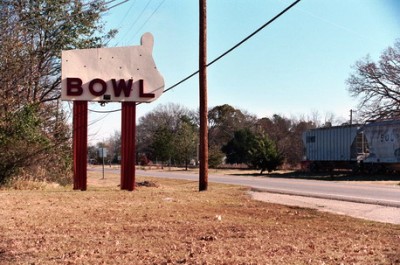
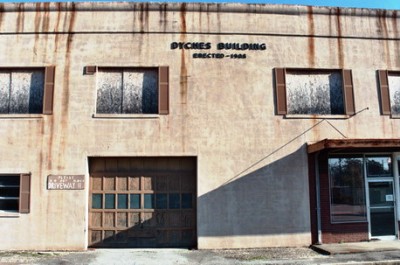

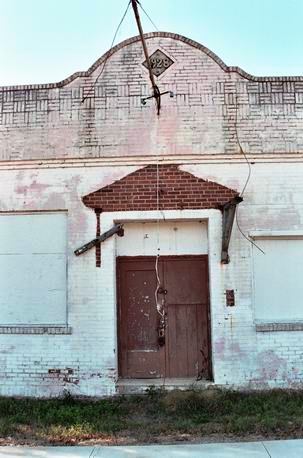 Would you like some facts regarding the construction of the mammoth Savannah River Plant? Alright, I'll steal some from the Ellenton
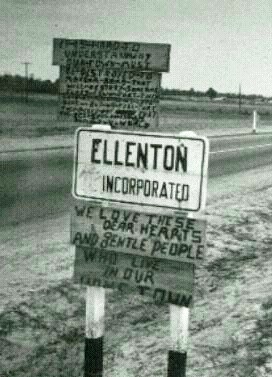 If I still haven't convinced you to check out the photos at the Ellenton
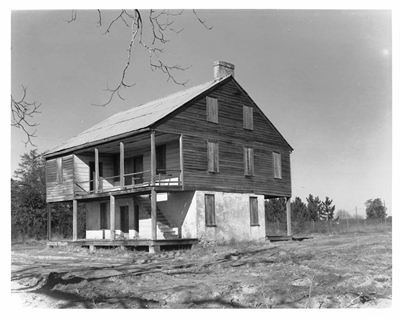
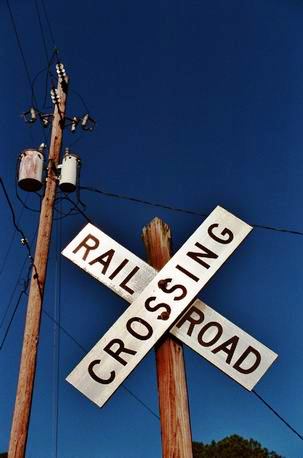
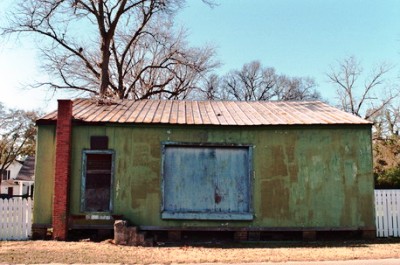
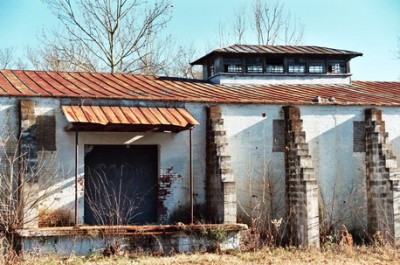
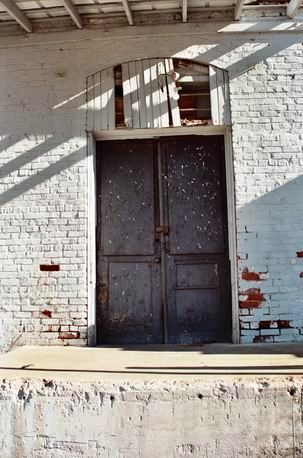 Obviously being a romantic man, Captain Williams was more than happy to give Mr. Dexter his daughter's hand in marriage--if Dexter would re-route the railroad (and, by extension, the town) past Williams' house, thereby vastly increasing the value of the property. The soil near the plantation wasn't all that good for building a railroad whose construction was already pushing the bounds of modern technology, but Dexter had it real bad, so there was nothing to do but move the tracks. Thus, while settlers were in the Aiken area even prior to the Revolutionary War, Sarah Dexter nee Williams is why Aiken is EXACTLY where it is today. Interestingly, residents of the area during the Revolution generally sided with the British. Huh. No, I wasn't drunk when I took this picture of a warehouse in Aiken. The building is listing to the left.
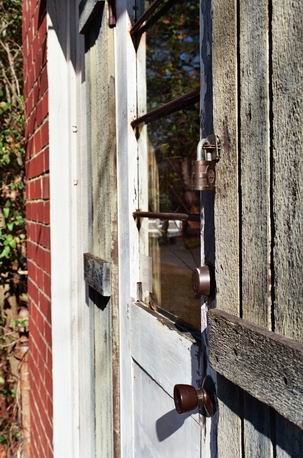 Wealthy Captains of Industry began to bring their families with them from the New England states. And, with wealthy people comes...POLO, natch. The game of polo had only been played in the U.S. for six years when it hit Aiken in 1882. The Aiken Polo Club joined the United States Polo League in 1889 and the town became the "Polo Center of the World." Really, it was called that. The horses have been around in a big way ever since. As have the lobsters. Yessiree, supposedly the good citizens of Aiken began racing lobsters as a spoof on the Kentucky Derby. Every May folks bring out their best racing lobsters and have at it. The winner gets to go free. The winning lobster, that is. As for me, I was REALLY getting into warehouses, I guess.

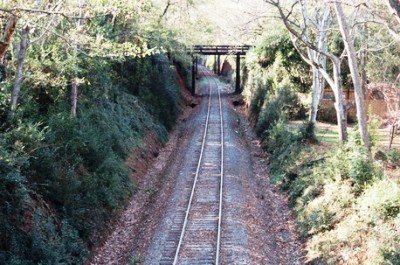
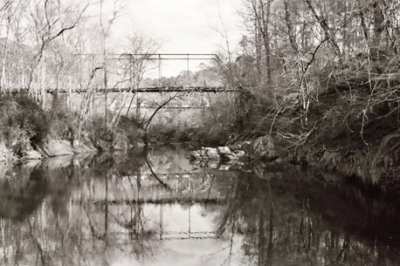
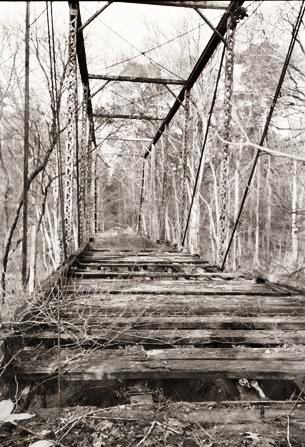 But I do know something about the town's namesake,
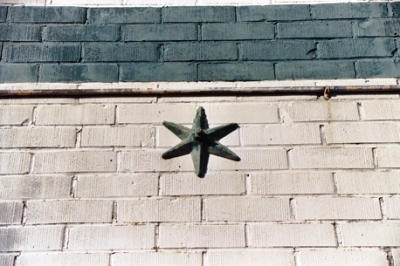
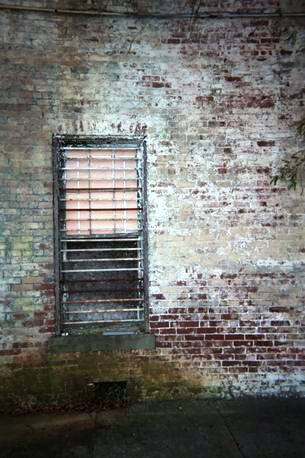 Hannah was at the second siege of Augusta, in 1781, when Fort Cornwallis was surrendered. Eventually dubbed "The Heroine of the Hornet's Nest," Hannah was considered one of the Revolutionary War's greatest women. Elijah died in Richmond Country, Georgia, in 1799. Hannah lived into the late 1820's. The original burial plots in Lincolnton, GA were going to be inundated by the dam reservoir, so the bodies were exhumed and buried in unmarked graves where they were promptly neglected for a number of years. However, the Clark's graves are now a tourist attraction at the aptly named Elijah Clark State Park in Lincolnton. We're back in Augusta proper now, at the corner of Telfair St. and James Brown Blvd. Through the window is an abandoned bar, empty for over a decade. Man, it's been a long time since we've been back in Augusta, hasn't it?
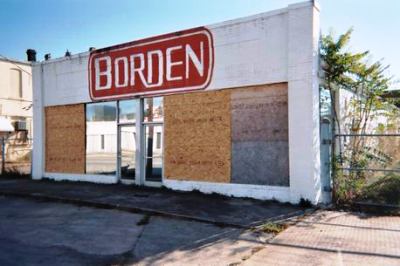
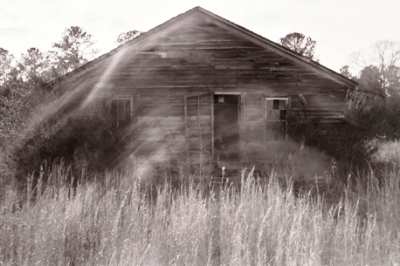
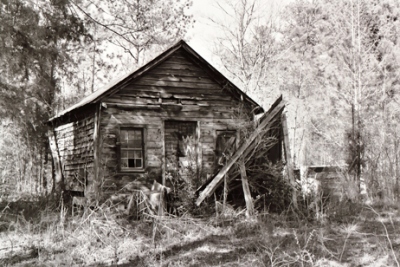
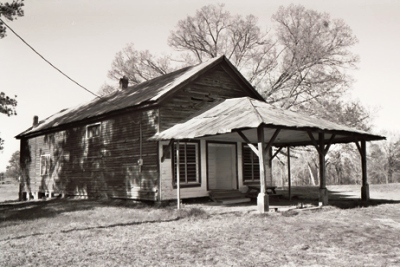
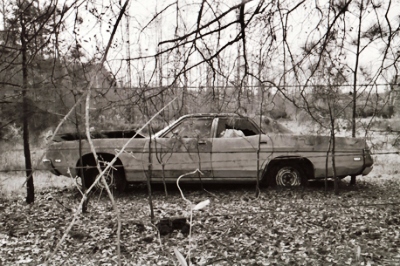
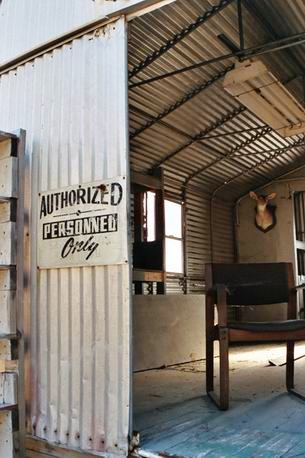
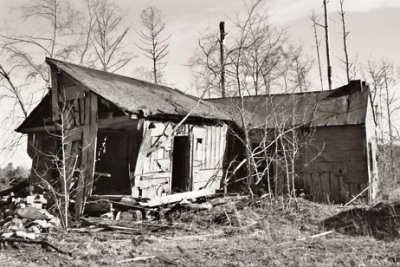
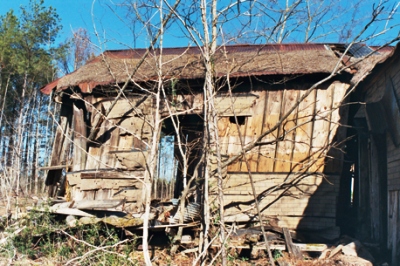
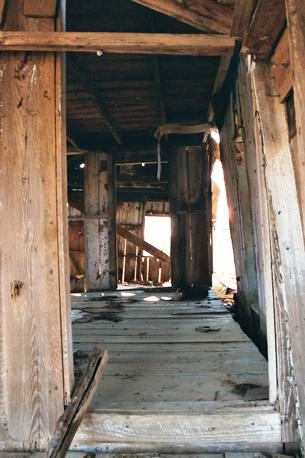
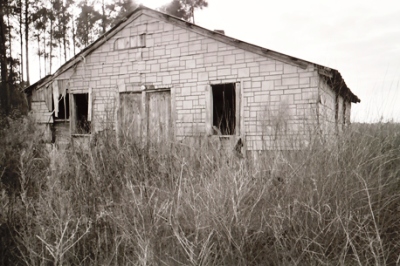
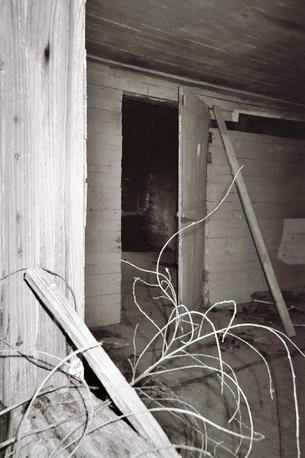
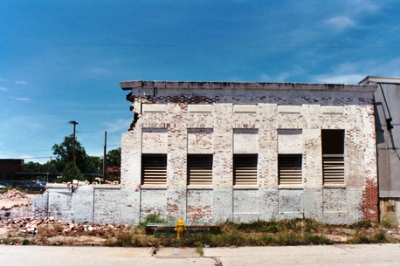
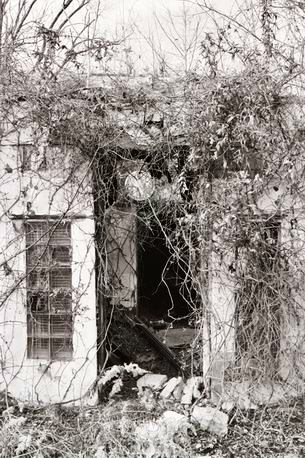 Despite its reputation as a "MUSIC TOWN" I quickly gave up on going out. Even Iggy Pop, who can do no wrong live, seemed to get lost in the muddy sound and roller rink ambience of Athen's premiere venue. I saw only one truly great gig.
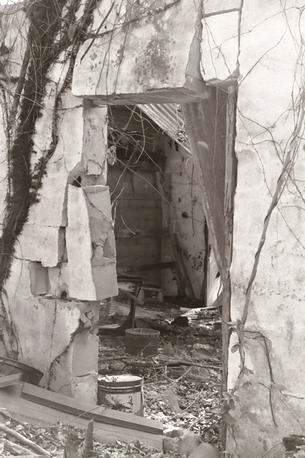 I quickly came across a massive housing development that was just getting underway. There was dirt piled-up all over the place and plenty of little trails to explore. Good mountain-biking terrain. Plus, construction seemed to be moving at a snail's pace. Just beyond the last bulldozer path, in a remnant of forest, was an old farmhouse and barn, probably from the turn of the 20th century. On every ride I'd stop, go inside, and take a break from the sun, which had suddenly become my enemy. I drank a lot of water and ate a lot of power bars in there. The house had a nice patio, a crumbling chimney, and a rickety ladder led to a loft, where I imagine the kids might've slept. Sometimes turkey vultures would startle me by clattering around on the tin roof. This is another, and less stable, entrance to the
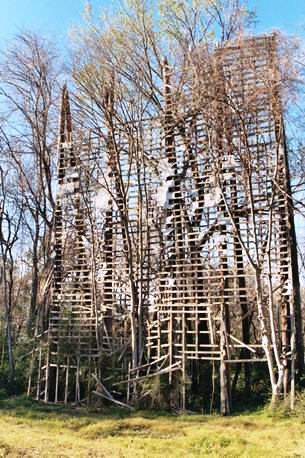 In the summer of 2002 I had to go to Augusta to do some research. No one I talked to liked Augusta. I'd heard it called a "dump" and "Disgusta." But once I moved there I liked it immediately. The Savannah River and the Augusta Canal were good for canoeing, walking, and biking and the town seemed to have more, well, SOUL, than Athens. Hello, James Brown. People worked and did the things people do. Life was not about bar-hopping and football. It was about bar-hopping and golf. That's a joke. Sort of. Anyway, sure, it has its bad points. The downtown is a bombed-out wreck for the most part. Of course, that sorta suited me, and so I went exploring right off. In fairness, downtown is being revitalized even as I type this, and with some success. I don't know what the hell this is a picture of. I like to think it's the screen from a long gone drive-in movie theater. It's probably an old billboard. It's off Sandbar Ferry, just down from the
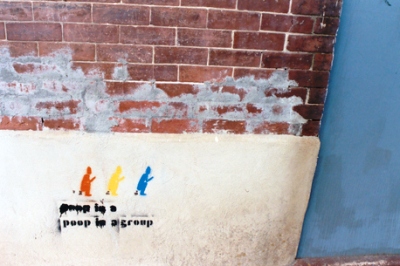
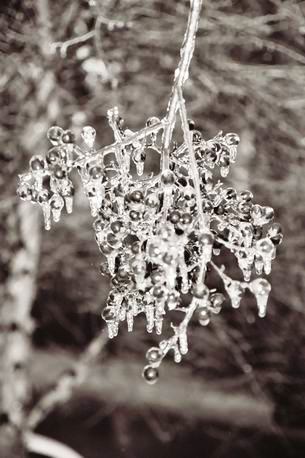 For Christmas 2003 my brother bought me the first camera I'd ever owned, although he couldn't understand why I wanted a film camera. I like not always knowing quite what I'll be getting and I also like the fact that each photo counts; I can't just take 30 shots of the same thing until I get one I like. My way of looking at things started to change as every half-destroyed building and rotting barn became even more aesthetically interesting. I naively thought I was doing something unique. Initially, I felt like I'd been scooped when I saw DETROITBLOG, ABANDONED PLACES, MODERN RUINS, STAHLART, and others. But I quickly took comfort in knowing there were plenty of other weirdos out there. On January 25, 2004, a major ice storm hit Augusta. My roommate and I, both being from the Midwest, considered going to work anyway. Then I saw a statement issued by the National Weather Service: "Leaving your home may result in death." I immediately left my home and took this photo...in the driveway. Another severe ice storm hit Georgia this week. Enjoy, you guys.
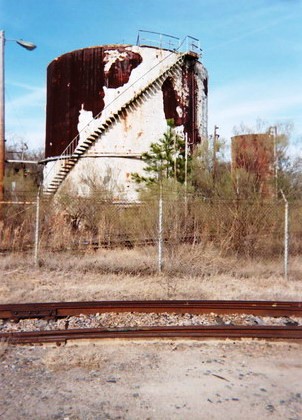 Here's one of my favorite quotes from Ulysses, by James Joyce: "Gone too from the world, Averroes and Moses Maimonides, dark in mien and movement, flashing in their mocking mirrors the obscure soul of the world, a darkness shining in the brightness which brightness could not comprehend." I think the best photos of decay are like that; a darkness shining in the brightness. Ah geez, maybe I'm being pretentious. They're just photos of things that are falling down. Quoting Joyce is fun because you can make him say anything you like, whether your purposes require poetry, vulgarity, or out-and-out nonsense. Here's a storage tank by an old industrial area just beyond the Savannah River, near the new I-520 bridge. There was a nice abandoned warehouse nearby, but I didn't have my camera the one time we spontaneously decided to explore it. This was an earlier shot with a disposable.
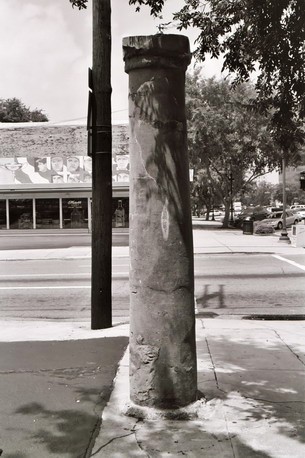 We're gonna finish up with a picture of the haunted pillar from the lower market. I didn't include the photo when I originally discussed the cursed pillar in
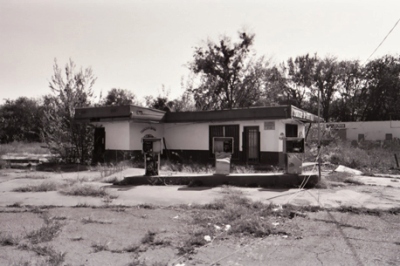
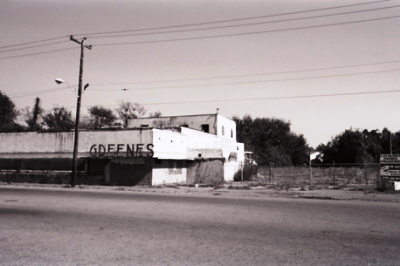
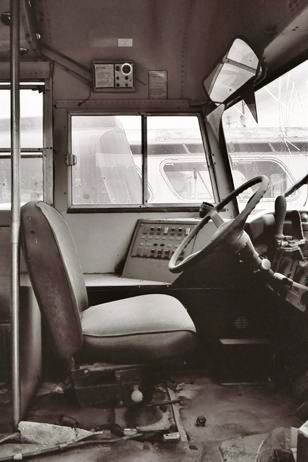 Those two corners, then, would've been the absolute center of the blues at the time. Johnson's recordings were exclusively spirituals, and with the quavering, stinging slide they are some of the most haunting songs I've ever heard. His recording of "Dark Was the Night...Cold Was the Ground," featuring no words, only Willie's soft humming of the melody, is one of the most evocative songs in the history of American music. Incidentally, Willie's version of this song formed the basis of the soundtrack for what I consider one of the best movies ever made, Wim Wender's Paris, Texas. It's easy to see why Ry Cooder based an entire soundtrack around the song. Hell, you could base your life around the song. Unfortunately, the Depression cut Willie's recording career short. In the 1940's, the house Willie shared with his wife burned down. With nowhere else to go, the couple slept on their old mattresses, still wet from the firehoses, covering themselves with newspaper. Willie contracted pneumonia as a result and, being broke and blind, no hospital would see him. Thus the world's greatest slide guitar player died, leaving thirty songs, one photo, and the charred bridge of his guitar, burned in the fire, as the only evidence.
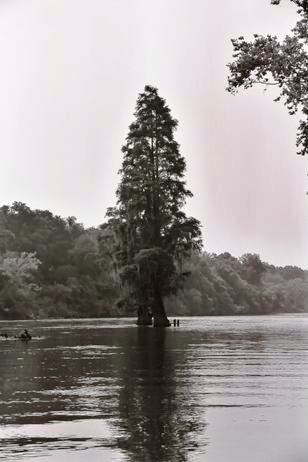 And he was protective of his technique, leaving a room in mid-song if he thought someone was studying his moves. He also developed a taste for whiskey and women. Upon arrival in a town, Johnson would look for the homeliest woman around, knowing that if he treated her nice she'd give him food, shelter, liquor, and a few other things as well. But it was his womanizing that was his undoing, and one night, in the fall of 1938, Johnson began eyeing a woman at a juke joint gig. He was playing with Sonny Boy Williamson, who warned him that things were getting heavy, going so far as to knock an open bottle of whiskey someone had given Johnson out of his hand. Johnson was furious at this waste of good alcohol, and when the next bottle came by, he drank. Within three days he was dead, poisoned by the husband of the woman he was flirting with. He was 27 years old. The picture is of a single cypress tree, taken while knee deep in water below the Savannah River rapids.
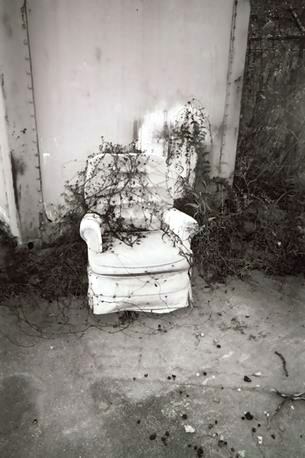 Don't believe in ghosts? You should. Every time I'm stopped for a train, and it's late at night, I'll see the flashing red lights of the crossing guard, turn to watch the lights of the train fade into the distance, and hum, "Well, the blue light was my blues, and the red light was my mind. All my love's in vain." Melodramatic? Well, nothing's made sense since Brad and Jen broke up, has it? So, sleep it off in a comfy chair behind an old Chinese restaurant near Washington Rd. Oh yeah, virtually every artist I've mentioned can be found on re-releases through Columbia Records Roots n' Blues series. They've done some nice packages and, sure, I admit to borrowing from the occasional liner note for this post. There's audio snippets for each track from just about every release, so you can hear a few seconds of Robert Johnson and Blind Willie (both of 'em) doing their thing.
